
Featured Resource
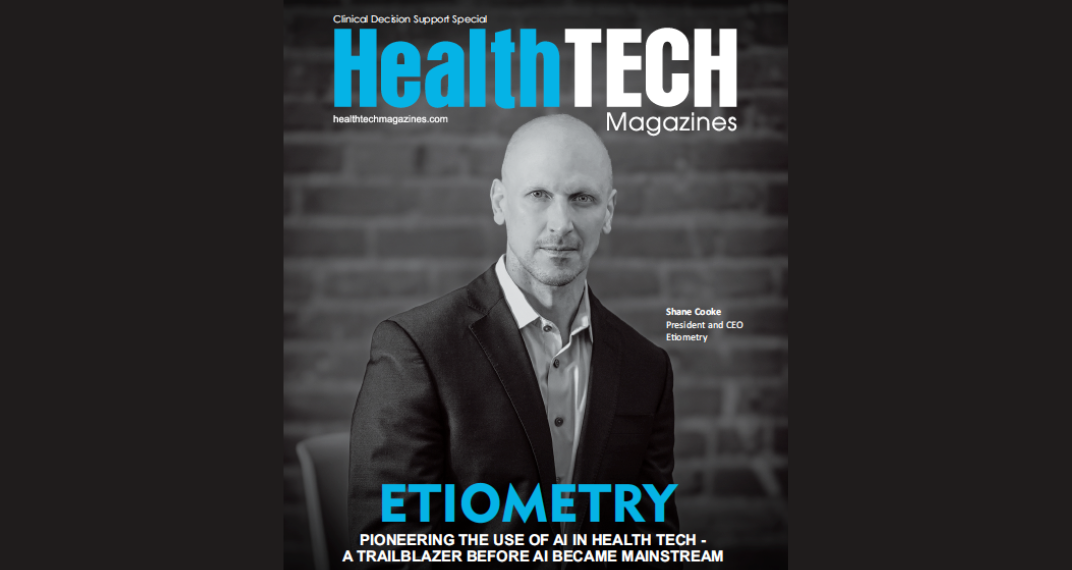
Pioneering the Use of AI in Health Tech – A Trailblazer Before AI Became Mainstream
Article appeared in HealthTech Clinical Decision Support issue, Spring 2024 Talent shortage and burnout are common issues in the healthcare industry. Healthcare facilities and hospitals struggle to optimize their medical staff while keeping operating and administrative costs reasonable. Moreover, the mental load on clinicians to make accurate clinical decisions based on patient data is the […]
Beyond Escalation: How Clinical Intelligence Supports ICU De-Escalation Decisions

In high-acuity care, clinical attention naturally gravitates toward escalation: adding interventions, increasing support, responding to deterioration. But the other half of intensive care, knowing when and how to safely step back from those interventions, is equally demanding and equally consequential. Prolonged mechanical ventilation, extended vasoactive support, mechanical circulatory support (MCS) and delayed discharge carry real […]
Cardiogenic Shock in Cardiac Surgery Patients: Why Continuous Physiologic Data Matters
Cardiac surgery patients don’t come from a single mold. A valve repair patient, a transplant recipient, a CABG patient, and a patient recovering from aortic surgery each carry a different hemodynamic profile and a different trajectory through the ICU. What they share is vulnerability, particularly to one of the most dangerous complications in post-surgical critical […]
Etiometry: Redefining Critical Care Through Intelligent Clinical Decision Support
Critical care generates an overwhelming amount of data. The challenge is turning that data into meaningful action. In this feature, Etiometry CEO Shane Cook discusses how intelligent decision support is helping care teams transform complex patient data into actionable insights by supporting earlier intervention, improved collaboration, and better outcomes. Read more about how we’re helping […]
Advancing Neonatal Respiratory Care with AI-Driven Clinical Intelligence: The Emerging Value of Etiometry in the NICU
As neonatal care becomes increasingly data-rich, the opportunity lies in turning that data into meaningful clinical insight. This Neonatology Today feature examines how Etiometry is helping care teams leverage continuous physiologic data to support respiratory care decision-making in the NICU.
Do ICUs Need Both EHR and Clinical Intelligence Systems?
Most hospitals running a modern ICU have invested heavily in their EHR. The records are thorough and the system integrates billing, compliance and clinical notes into one place. So the question that hospital leaders regularly ask is a fair one: do we need anything else? The answer, for high-acuity care, is yes. Not because the […]
Etiometry Highlights New Study Linking Pre-ECMO IDO2 Trends to Neurologic Outcomes in Infants
BOSTON, Mass. – June 2, 2026 – Etiometry, a leader in AI-driven clinical intelligence, today announced new research published in Pediatric Critical Care Medicine demonstrating that impaired oxygen delivery analytics in the hours leading up to extracorporeal membrane oxygenation (ECMO) were associated with mortality and adverse neurologic outcomes in infants. This single-center retrospective cohort study of […]
Advancing Cardiogenic Shock Management with AI: Classification and Trajectory Tracking
Society of Critical Care Cardiology Webinar Sponsored by Etiometry